
Blogs
Therapy Dogs and Emotional Healing: How Comfort Animals Support Wellbeing

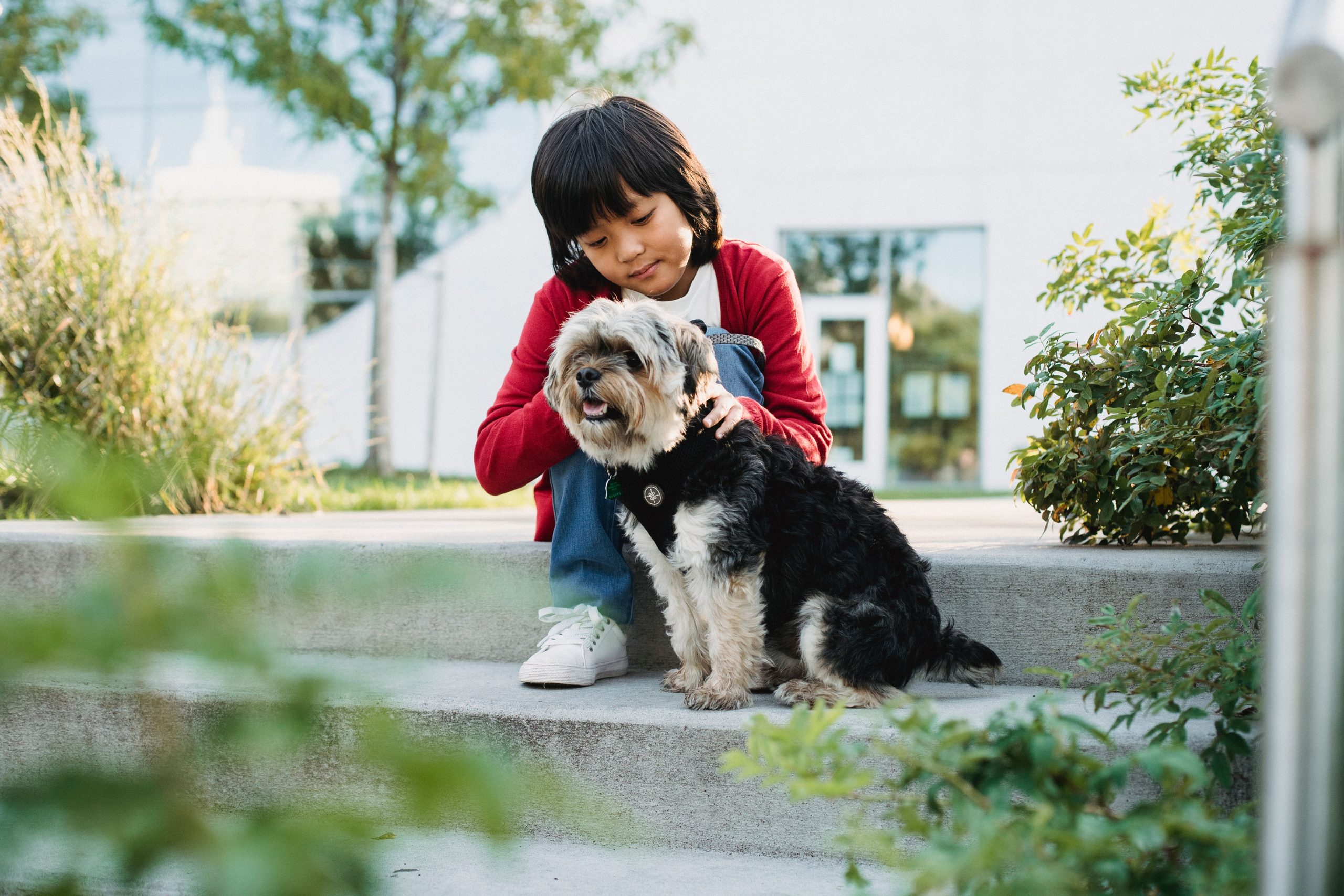
What Therapy Dogs Do
Therapy dogs and emotional healing are often discussed together because trained dogs can provide comfort in settings where people feel stressed, lonely, anxious, or overwhelmed. Therapy dogs may visit hospitals, schools, nursing homes, counseling centers, disaster recovery spaces, and community programs. They are not the same as service dogs, which are trained to perform specific disability-related tasks. Therapy dogs usually work with handlers to offer safe, calm, supportive interaction. Their role is to bring comfort, not to replace professional care.
Comfort Through Calm Presence
A therapy dog’s greatest gift is often calm presence. Sitting near a gentle dog, petting its fur, or watching it rest can help people slow down. Emotional healing often needs moments of safety, and animals can help create that feeling. People who struggle to speak about pain may find it easier to relax around a dog. The dog does not demand explanations. It simply offers warmth and attention.
Helping People Reconnect
Stress, grief, trauma, and anxiety can make people withdraw. Therapy dogs can help create small openings for connection. A person may smile, speak, make eye contact, or share a memory because a dog is present. In schools, therapy dogs may help children feel calmer while reading or talking. In elder care, they may spark memories and conversation. In clinical or support settings, they may reduce tension enough for people to participate more fully.
Routine, Trust, and Emotional Safety
Emotional healing often requires trust. A well-trained therapy dog behaves predictably, responds to its handler, and interacts gently. This predictability can feel reassuring to people whose lives feel uncertain. Scheduled visits also give people something positive to anticipate. Over time, these interactions can become part of a supportive care environment.
Respecting Limits and Needs
Therapy dogs are helpful for many people, but they are not right for every situation. Allergies, fear of dogs, cultural differences, trauma history, and safety concerns must be respected. Ethical therapy dog programs prioritize consent, animal welfare, handler training, and clear boundaries. The dog’s wellbeing matters too. A tired, stressed, or poorly handled animal should not be used for emotional support work.
A Practical Way to Apply This
Families can also use pet care as a way to build conversation. Children and adults can talk about what the animal needs, how the animal communicates comfort or stress, and why gentleness matters. These small conversations help turn affection into thoughtful care. They also remind everyone in the home that love is active, patient, and responsible.
Final Thoughts
Therapy dogs and emotional healing connect through comfort, trust, and gentle companionship. These dogs can support people during stress, grief, loneliness, and difficult transitions by offering calm presence and helping people reconnect. They do not replace therapists, doctors, or trained mental health care, but they can be a meaningful part of a broader support system. When used responsibly, therapy dogs remind us that healing can sometimes begin with quiet companionship and a safe moment of connection.