
Blogs
Train Your Dog with Confidence: Building Trust, Discipline, and Respect

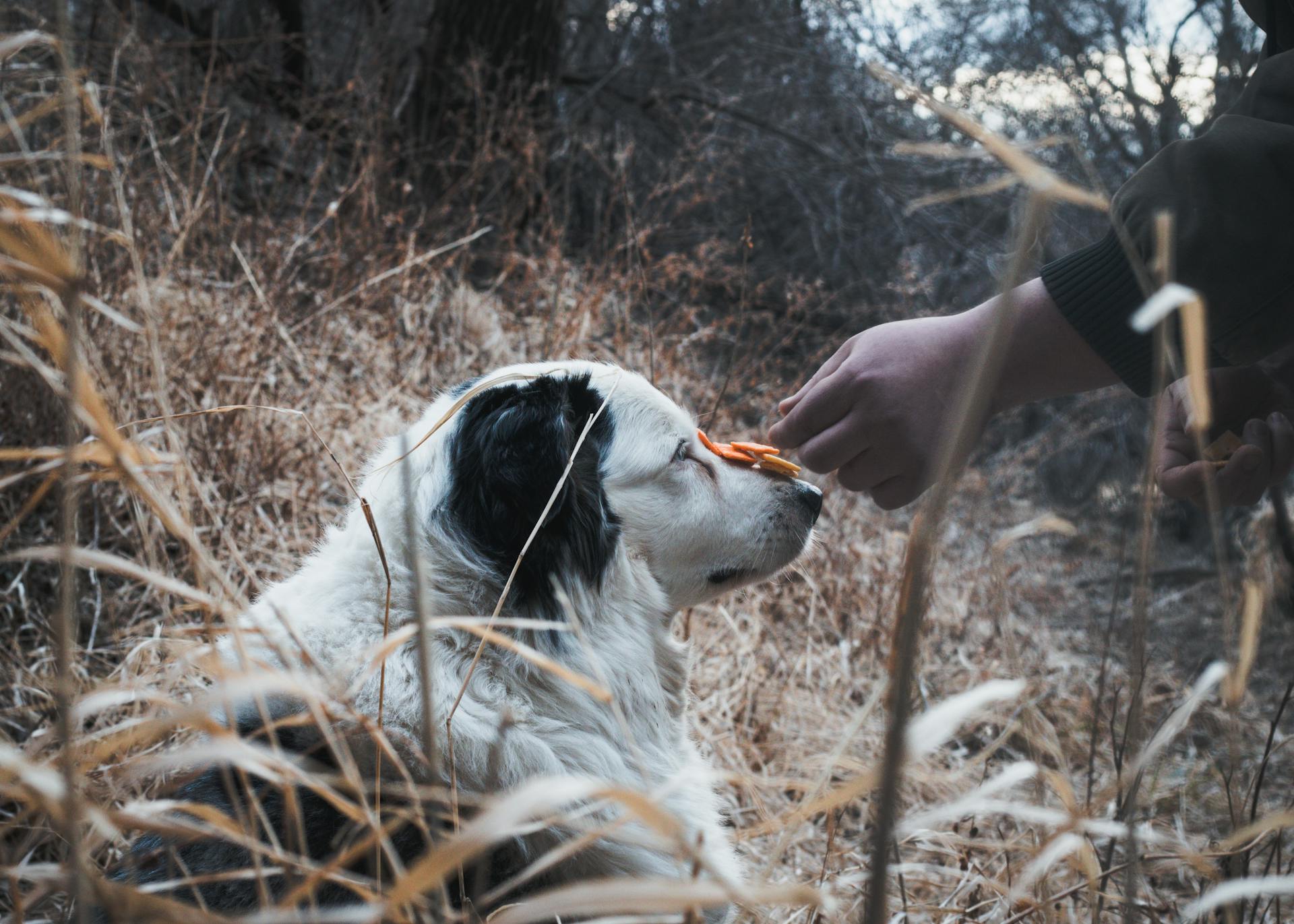
Training a dog is not just about teaching commands; it is about building a strong and respectful relationship based on trust and understanding. Confidence plays a key role in successful training, as dogs naturally respond to clear, calm, and consistent behavior from their owners. When you approach training with confidence, your dog is more likely to feel secure and follow your guidance effectively.
Understanding Your Dog’s Behavior
Before beginning any training, it is important to understand how dogs think and behave. Dogs rely on body language, tone of voice, and routine to interpret their environment. Recognizing your dog’s signals, such as excitement, fear, or confusion, helps you respond appropriately during training sessions.
A confident trainer observes rather than reacts impulsively. By understanding your dog’s needs and emotional state, you can create a supportive environment where learning becomes easier and more effective.
Establishing Clear Communication
Clear communication is the foundation of confident dog training. Dogs respond best to simple commands, consistent cues, and a steady tone of voice. Using the same words and gestures for specific actions helps your dog understand what is expected.
Confidence in communication also means avoiding mixed signals. If commands change frequently or are delivered with hesitation, dogs may become confused. A calm and assertive approach ensures that your dog can follow instructions without uncertainty.
The Power of Positive Reinforcement
Positive reinforcement is one of the most effective training methods. Rewarding your dog for good behavior with treats, praise, or affection encourages them to repeat those actions. This approach builds trust and strengthens the bond between you and your dog.
Confidence in training comes from patience and consistency. Instead of focusing on mistakes, rewarding progress creates a positive learning experience. Over time, your dog will associate training with enjoyable outcomes, making them more eager to participate.
Consistency and Routine
Consistency is essential when training a dog with confidence. Regular training sessions, clear rules, and predictable routines help dogs understand what is expected of them. When expectations remain consistent, dogs learn faster and feel more secure.
A confident trainer maintains structure without becoming rigid. Flexibility can be important, but core commands and boundaries should remain steady. This balance allows your dog to develop discipline while still feeling supported.
Managing Challenges with Confidence
Training is not always a smooth process, and challenges are inevitable. Dogs may become distracted, stubborn, or slow to learn certain commands. Confidence helps you remain calm and patient during these moments.
Instead of reacting with frustration, a confident approach involves adjusting techniques and reinforcing positive behavior. Understanding that progress takes time allows both you and your dog to stay motivated and focused.
Building Trust and Respect
Trust is at the heart of confident dog training. When your dog trusts you, they are more likely to listen, cooperate, and feel comfortable in different situations. This trust is built through consistent care, positive interactions, and clear communication.
Respect is equally important. A well-trained dog recognizes boundaries and responds to commands without fear. Confidence ensures that this respect is achieved through guidance rather than intimidation, creating a healthy and balanced relationship.
Conclusion
Training your dog with confidence leads to better communication, stronger bonds, and lasting results. By understanding your dog’s behavior, using positive reinforcement, and maintaining consistency, you can create an effective and rewarding training experience. Confidence not only improves your dog’s ability to learn but also strengthens the connection you share, making the journey of training both successful and enjoyable.