
Blogs
The Power of Love: How Affection Shapes a Dog’s Behavior

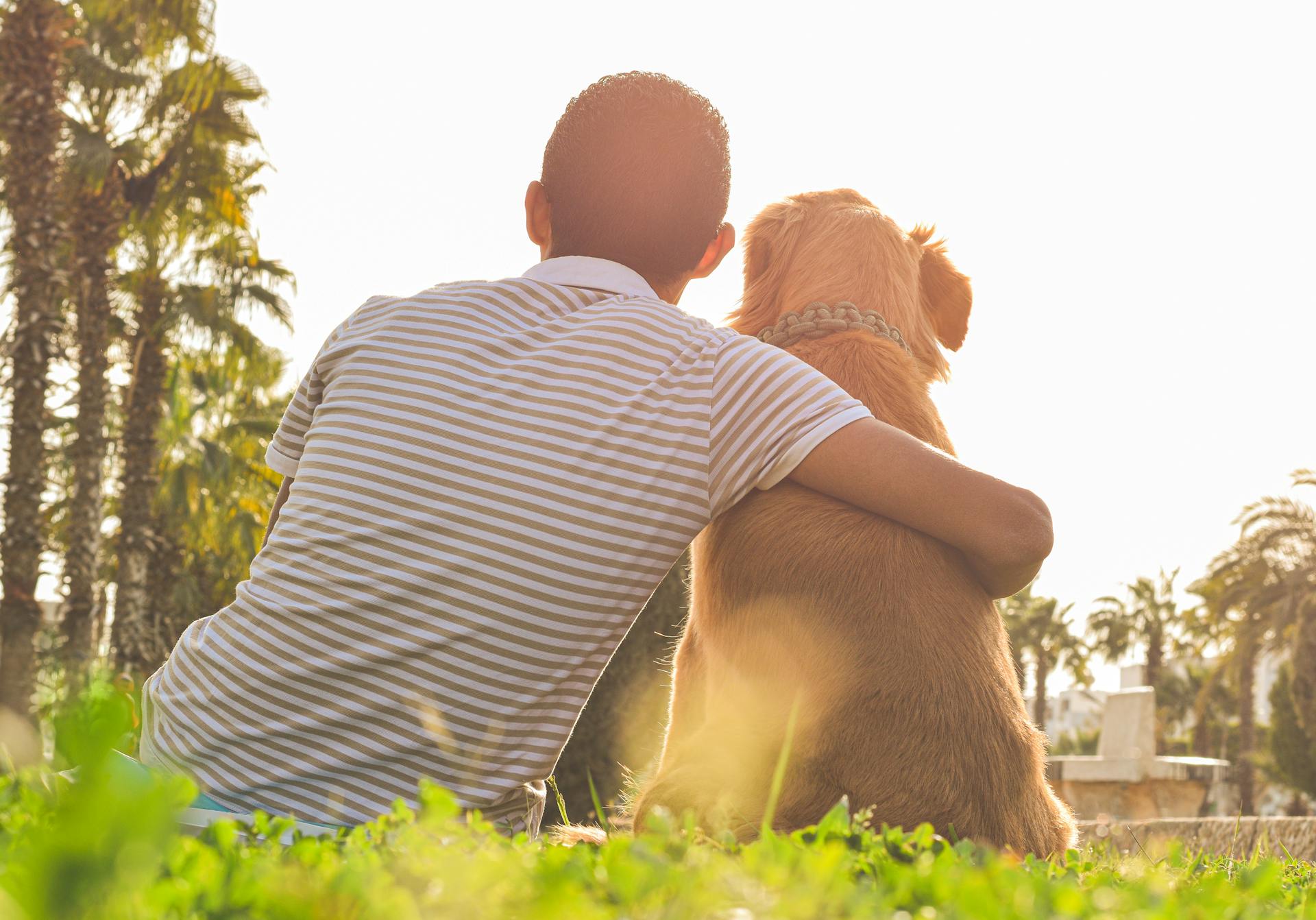
The relationship between humans and dogs is built on trust, care, and emotional connection. Love plays a central role in shaping a dog’s behavior, influencing how they respond to their environment and the people around them. When dogs feel safe and valued, they are more likely to display positive behaviors, form strong bonds, and develop a stable temperament.
Emotional Security and Confidence
Love provides dogs with a sense of emotional security. When a dog consistently receives affection, attention, and care, it begins to feel safe in its surroundings. This sense of security reduces anxiety and fear, allowing the dog to behave more confidently in different situations. Dogs that feel loved are less likely to show signs of aggression or excessive nervousness, as they trust their environment and the people within it.
A secure dog is also more adaptable. Whether encountering new people, environments, or experiences, a loved dog is more likely to respond with curiosity rather than fear, demonstrating balanced and stable behavior.
Strengthening the Human-Dog Bond
Affection strengthens the bond between dogs and their owners, which directly influences behavior. When a dog feels emotionally connected, it becomes more attentive and responsive to its owner’s cues. This connection encourages cooperation and makes communication more effective.
A strong bond also increases a dog’s desire to please its owner. This motivation plays a significant role in training, as dogs are more willing to learn and follow commands when they feel valued and understood. The emotional link created through love enhances mutual understanding and trust.
Impact on Training and Learning
Love and positive reinforcement go hand in hand when it comes to training. Dogs respond better to encouragement, praise, and rewards than to punishment or harsh discipline. When training is based on affection and patience, dogs are more likely to develop good habits and retain what they learn.
A loving environment also reduces stress, which improves a dog’s ability to focus and learn. Dogs that feel threatened or neglected may struggle with training due to fear or confusion. In contrast, a supportive and affectionate approach fosters a willingness to engage and improve.
Behavioral Changes and Social Interaction
Love influences how dogs interact with others, both humans and animals. Dogs that receive consistent affection tend to be more social and friendly. They are more likely to approach new people with confidence and engage positively with other dogs.
On the other hand, a lack of affection can lead to behavioral issues such as withdrawal, excessive barking, or destructive tendencies. These behaviors often reflect unmet emotional needs. Providing love and attention helps address these issues, promoting healthier and more balanced interactions.
Physical and Mental Well-Being
The impact of love extends beyond behavior to a dog’s overall well-being. Affection can reduce stress levels, which benefits both mental and physical health. Activities such as petting, playing, and spending time together release positive hormones that help dogs feel relaxed and content.
This improved well-being contributes to better behavior. A happy and healthy dog is more likely to be calm, obedient, and emotionally stable. Love, therefore, acts as a foundation for both behavioral and physical development.
Conclusion
Love has a profound impact on a dog’s behavior, shaping its emotional state, social interactions, and ability to learn. Through affection and care, dogs develop confidence, trust, and a strong connection with their owners. This bond not only improves behavior but also enhances the overall quality of life for both the dog and the human. By understanding the importance of love, owners can create a supportive environment that allows their dogs to thrive emotionally and behaviorally